
Celsius WG Herbicide
Postemergence weed control for lawns
Celsius WG clears more than 120 labeled broadleaf and grassy weeds from established St. Augustine, Bermuda, Zoysia, Centipede and Buffalograss without the summer injury that forces most selective herbicides off southern lawns in July. Susceptible weeds stop growing within hours of treatment, then decline over the following one to four weeks.
Two Sizes, One Formulation
Both containers hold the same 68% water-dispersible granule. The difference is how much you have to measure and how many treatments you get out of it.
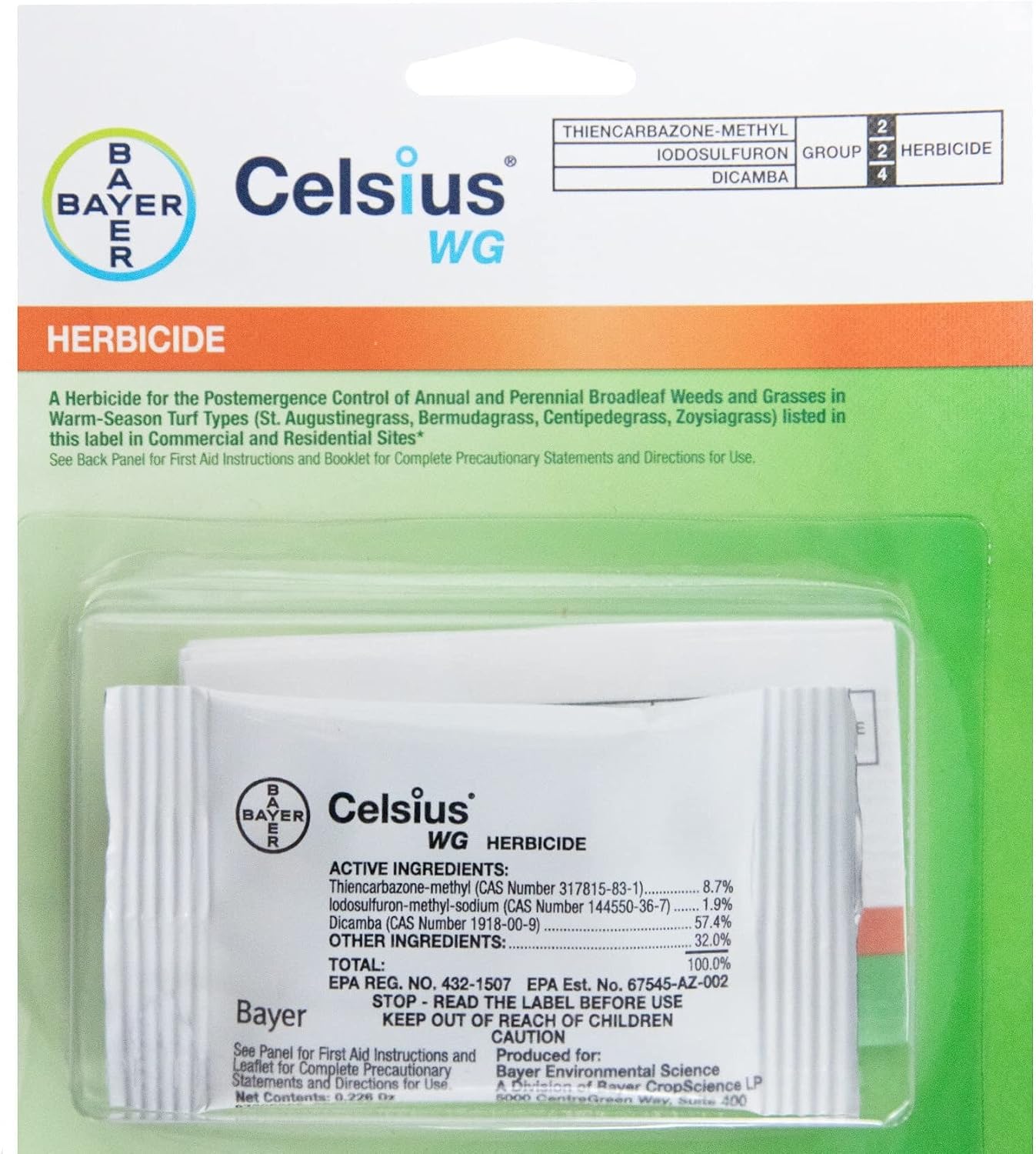
Celsius WG 0.226 oz Single-Dose Packet
Covers 2,000 to 4,000 sq ft per packet
- One pre-measured packet, so nothing has to be weighed on a kitchen scale
- Mix into 4 gallons at the low rate, 2.75 at the medium rate, 2 at the high rate
- Suits a single treatment on a typical suburban lawn
A packet is not a "one gallon dose". Putting the whole 0.226 oz into one gallon lands above the labeled spot-treatment concentrations.
More Details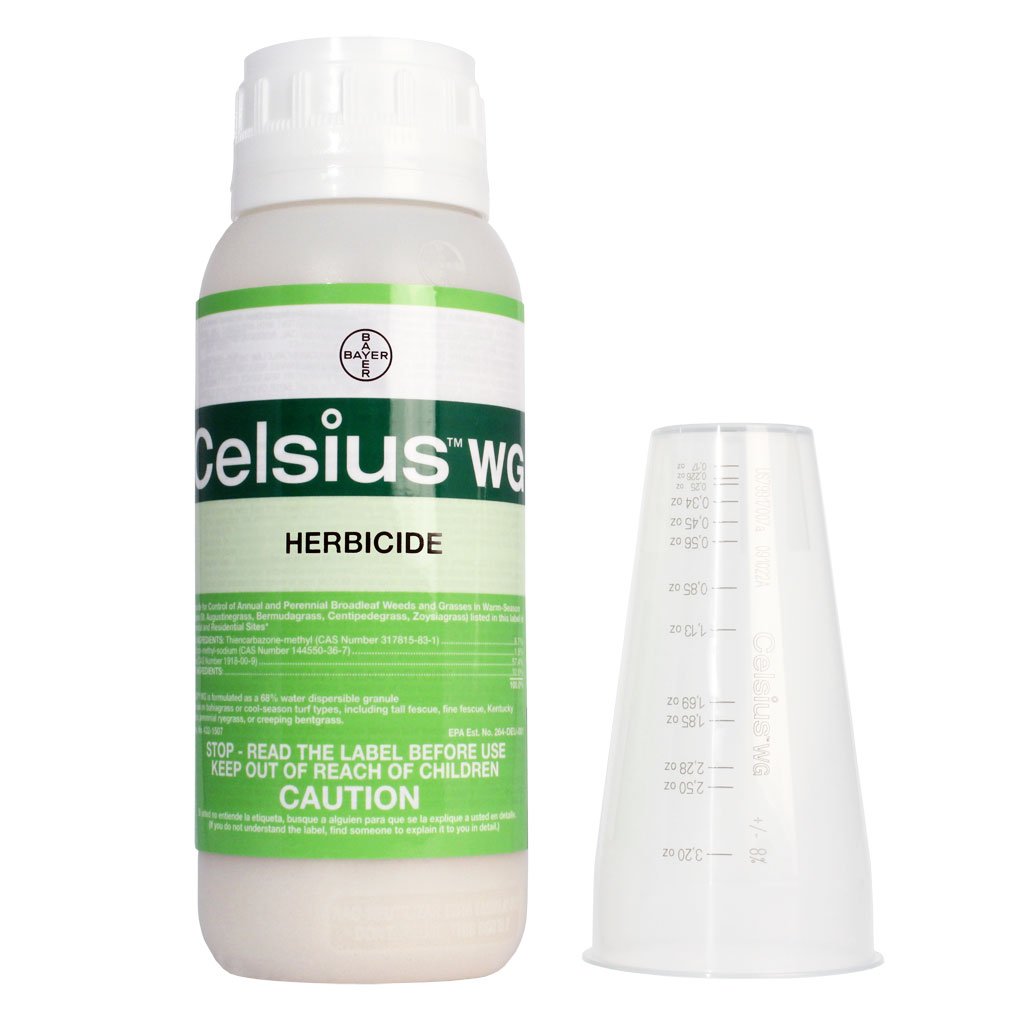
Celsius WG 10 oz Bottle
Covers roughly 2 to 4 acres depending on rate
- Measure only what the target weed needs instead of committing a full packet
- Ships with a graduated cup for small volumes
- Built for repeat treatments and properties beyond a single lawn
Two acres is the coverage at the maximum single-application rate. At the low rate the same bottle covers closer to four.
More DetailsPick the packet for one lawn and one treatment. Pick the bottle if you plan to treat more than once a season, run different rates for different weeds, or cover more than a few thousand square feet.
What Celsius WG Controls
Warm-season lawns rarely have one weed problem. A St. Augustine yard can carry dollarweed in the damp corner, doveweed by August and scattered broadleaf weeds through the thin spots. Celsius WG gives those three a single starting point.
Dallisgrass needs its own program
The label sets out a dedicated late-summer or early-fall treatment using Celsius WG with Revolver Herbicide and methylated seed oil, at 0.085 to 0.113 oz in roughly one gallon per 1,000 sq ft. A second pass is allowed 30 to 60 days later if regrowth appears. Treating Dallisgrass as an ordinary one-pass target rarely works.
Nutsedge is Celsius XTRA territory
Celsius WG carries green kyllinga on its weed list, but a lawn dominated by yellow or purple nutsedge is a different purchase. Envu developed Celsius XTRA to extend the spectrum across those sedges. The names look alike and the labels are not interchangeable.
Match the weed to the rate on the current label. Size, growth stage, turf condition and weather all change what the right treatment looks like.
How Celsius WG Works
Three active ingredients hit susceptible weeds through two herbicide modes of action. The product is absorbed through treated foliage, so the target is a weed that has already emerged and is actively growing.
| Active ingredient | Concentration | Herbicide group |
|---|---|---|
| Dicamba | 57.4% | Group 4 |
| Thiencarbazone-methyl | 8.7% | Group 2 |
| Iodosulfuron-methyl-sodium | 1.9% | Group 2 |
What you see after spraying
Within hours
Growth stops. The weed still looks green and healthy, which is where most people assume the product failed.
Several days
Leaves turn yellow, red or purple as tissue starts to break down. Warm soil above 65°F speeds this up.
1 to 4 weeks
Tissue goes necrotic and the plant dies. Mature perennials may need a second labeled treatment.
Mixing and Application Rates
The rate comes from the weed, not from the lawn size. Adding extra granules does not compensate for spraying the wrong concentration or the wrong growth stage.
From the 10 oz bottle
Spot and zone treatment, roughly one gallon per 1,000 sq ft.
| Rate | Per 1,000 sq ft | Per gallon |
|---|---|---|
| Low | 0.057 oz (1.6 g) | 1/2 tsp |
| Medium | 0.085 oz (2.4 g) | 3/4 tsp |
| High | 0.113 oz (3.2 g) | 1 tsp |
From one 0.226 oz packet
Same packet, different water volume, different treated area.
| Rate | Water | Area |
|---|---|---|
| Low | 4 gallons | 4,000 sq ft |
| Medium | 2.75 gallons | 2,750 sq ft |
| High | 2 gallons | 2,000 sq ft |
Mixing order
Start with a clean, calibrated sprayer. Add 25% to 50% of the water and begin agitation, add the measured granules and let them disperse fully, then add any compatible tank-mix product and finish filling. Water near pH 7 works best. Jar-test anything whose compatibility you are unsure of.
Calibrate first
Measure how much water your sprayer puts out over a marked 1,000 sq ft at your normal walking pace, then mix the labeled rate into that volume. One gallon is a volume, not an area, until you have proved otherwise.
Surfactant, sometimes
The label permits nonionic surfactant at 0.25% v/v under heavy weed pressure, and methylated seed oil at 0.25% to 0.5% v/v for difficult weeds. Skip adjuvants entirely above 90°F or when the turf is already stressed.
Maximum single application: 0.113 oz per 1,000 sq ft, or 4.9 oz per acre. Maximum annual total: 0.17 oz per 1,000 sq ft, or 7.4 oz per acre. Those are ceilings, not recommended defaults.
Watch a Full Application
When to Spray and When to Wait
Most disappointing results trace back to conditions rather than the product. Actively growing weeds, hydrated turf and a dry leaf surface do more for control than an extra half teaspoon.
Heat above 90°F
Celsius WG gives southern lawns a wider summer window than most postemergence herbicides, but the label still bans spray adjuvants above 90°F. Spot treatments on St. Augustinegrass at those temperatures can slow turf growth until the next mowing.
Rain and irrigation
Let the spray dry before watering. Heavy dew, fog or mist during treatment cuts control, and the label warns against applying when rain or irrigation likely to cause runoff is expected within 48 hours.
Mowing
Hold off until the spray has dried. Keep clippings from treated turf away from beds and plants that should never receive the herbicide.
Drought stress
A weed that has stopped growing absorbs less. Watering a stressed lawn and waiting for active growth usually beats spraying on schedule.
People and pets
Keep everyone off the treated area during application and until the spray has dried. That is the reentry standard on the label, and it is not the same thing as "pet safe".
New grass
Newly seeded Bermuda, Zoysia and Centipede need at least four weeks after emergence. Sprigged Bermuda needs two. Overseeding intervals run 14 to 60 days depending on how the area was treated.
Check Your Grass Before You Buy
Turf tolerance is the first thing to confirm. A selective herbicide that a Bermuda lawn shrugs off can seriously injure a different species growing ten feet away.
Labeled for established
- St. Augustinegrass
- Floratam, Palmetto, Bitter Blue, Raleigh, Captiva, Sapphire and other cultivars named on the label.
- Bermudagrass
- Common Bermuda plus tested cultivars including Tifway 419, Tifsport, Celebration, Discovery and Sahara.
- Zoysiagrass
- Meyer, Empire, Crown, Palisades, Cavalier, Zorro, DeAnza and Zenith appear in the label testing list.
- Centipedegrass
- Labeled when established. Centipede is a sensitive species, so avoid treating turf already under stress.
- Buffalograss
- The current label includes established Buffalograss and names tested cultivars such as Legacy and Cody.
Do not apply to
- Bahiagrass
- Seashore paspalum
- Tall fescue
- Fine fescue
- Kentucky bluegrass
- Perennial ryegrass
- Creeping bentgrass
A lawn that mixes labeled and non-labeled grasses needs a different plan. Tolerance on St. Augustine says nothing about the fescue next to it.
Where Celsius WG Can Be Shipped
Pesticide registration varies by state, so check this before ordering. In most of the country a homeowner can buy and apply Celsius WG on their own lawn.
Not for sale to
AK · CA · NY
Celsius WG cannot be sold into these three states at all.
Licensed applicators only
CT · VT · WA
Purchase and application are restricted to licensed applicators. Washington residents also have to select the Washington-specific option when adding the 10 oz size to the cart, because of state tax rules.
Everywhere else
Open to homeowners
In the remaining states an individual can buy Celsius WG and treat their own turf, provided the label directions, rates and safety instructions are followed.
Availability can change. Local applicator requirements still apply, and being able to add something to a cart never overrides pesticide law or the label.
What Lawn Owners Report
Great product on my bermuda/centipede mixed lawn. Followed the application chart and waited. It has been 3 weeks and the target weeds are dead or in great distress. Be patient and give it ti...
patrick moore
Easy to mix with water in sprayer bottle. Kills the weeds not the grass. And it's perfect for summer heat.
Ralph413
This stuff worked great, I put it on my Dallas Grass and about an hour later, we had a sudden down pour, I thought for sure it would have washed away but the Dallas grass had stopped growing...
Tony S
A bit expensive but it works well I use it for spot spraying burrweed patches in my St Augustine lawn. No grass damage. Other off the shelf herbicides didnt work I mix and mid strength. I a...
Ron Rushing
This stuff really works ! You just have to be sure you use it in the weeds it will kill. It doesn’t kill all weeds like sedge. But it ties plenty others .
CRYSTAL JOY
Loved how effective this is. Most people, I read, mix it with certainty herbicide but that was too expensive for my individual use. Just used this handy little packet perfectly priced for...
ra

Why Some Bottles Say Bayer
Celsius WG has been on the market long enough that older containers, retailer photos and product literature still carry Bayer Environmental Science branding. New look, same formulation.
Cinven acquired Bayer’s Environmental Science Professional business in 2022, and the new company took the name Envu. Celsius moved with it into the Envu professional turf portfolio. The three active ingredients and their concentrations did not change.
The registration history follows the same path. Older U.S. material shows EPA Registration No. 432-1507. Current Envu labeling shows No. 101563-141 under Environmental Science U.S., LLC, and EPA records document the transfer.
Frequently Asked Questions
Celsius WG is a selective postemergence herbicide for established warm-season turf. It controls more than 120 labeled annual and perennial broadleaf weeds and grasses using three active ingredients: dicamba, thiencarbazone-methyl, and iodosulfuron-methyl-sodium. It is applied to weeds that have already emerged rather than used as a conventional preemergent.
Celsius WG is labeled for established St. Augustinegrass, Bermudagrass, Centipedegrass, Zoysiagrass, and certain Buffalograss varieties. It is not labeled for bahiagrass, seashore paspalum, or cool-season grasses such as tall fescue, fine fescue, Kentucky bluegrass, perennial ryegrass, and creeping bentgrass.
The label covers more than 120 broadleaf and grassy weeds, including dollarweed, doveweed, Virginia buttonweed, dandelion, chamberbitter, Florida pusley, spotted spurge, carpetgrass, and large crabgrass. Some difficult weeds require a specific rate, repeat application, or tank-mix program, so the weed table on the current label should always be checked before treatment.
Susceptible weeds can stop growing within hours, but visible control takes longer. Leaves commonly begin yellowing or changing color before the plant dies, with full results generally developing over 1 to 4 weeks. Warm temperatures and actively growing weeds usually produce faster symptoms than cool weather or drought stress.
For spot or zone applications where one gallon treats approximately 1,000 square feet, labeled rates range from about 1/2 teaspoon to 1 teaspoon per gallon. The correct amount depends on the target weed, not simply the size of the sprayer. Calibrate the sprayer and use the weed-specific rate shown on the product label.
A 0.226 oz single-dose packet treats approximately 2,000 to 4,000 square feet depending on the selected rate. At the low rate, one packet is mixed into about four gallons of water. Higher treatment rates use less water and cover a smaller area.
Not for every application. A nonionic surfactant may be added at the labeled rate when better leaf coverage is needed, and methylated seed oil may be appropriate for certain difficult weeds. Do not add a spray adjuvant when temperatures exceed 90°F, and avoid unnecessary additives when turf is already stressed.
Celsius WG has a wider warm-weather application window than many postemergence herbicides used on southern turf. High temperatures still matter. The label prohibits spray adjuvants above 90°F, and spot applications to St. Augustinegrass at high temperatures can temporarily slow turf growth. Drought-stressed lawns should not be treated as if heat were the only factor.
People and pets should remain out of the treated area during application and until the spray has dried. "Pet safe" does not mean that pets should walk through or contact freshly sprayed turf. Follow the personal protective equipment, storage, application, and reentry directions on the current label.
Celsius WG is a postemergence herbicide. It is designed primarily to control weeds that are already visible and actively growing. Lawns with predictable annual weed pressure may still benefit from a separate preemergence program at the appropriate time of year.
Celsius WG is the established three-active-ingredient formulation for broad-spectrum weed control in warm-season turf. Celsius XTRA is a separate product designed to broaden control into additional sedges, including important nutsedge species. The two products have different labels and should not be treated as interchangeable versions of the same formula.
The 0.226 oz packet is convenient for smaller lawns because it eliminates the need to measure a very small quantity of granules. The 10 oz bottle is better suited to larger properties, repeated treatments, or users who need to select different rates for different weeds. A 10 oz bottle covers roughly 2 to 4 acres depending on the application rate.
The label covers established warm-season turf in locations such as residential and commercial lawns, sports fields, parks, recreational areas, roadsides, school grounds, cemeteries, sod farms, and certain golf-course areas. It is not labeled for every turf site, and restrictions apply to areas such as golf greens and collars.
Celsius WG is part of Envu’s professional turf and landscape portfolio. The product was originally sold under Bayer Environmental Science, which is why older bottles, retailer pages, and product photos may still display Bayer branding. Bayer’s Environmental Science Professional business became Envu in 2022.
Yes. It is the same herbicide with the same three active ingredients at the same concentrations. Only the branding and the registration details changed when Bayer’s Environmental Science Professional business became Envu in 2022, which moved the U.S. registration from EPA Reg. No. 432-1507 to No. 101563-141. Rates, restrictions and safety instructions still come from the label on the container you receive.
Other Lawn and Home Products Worth Knowing
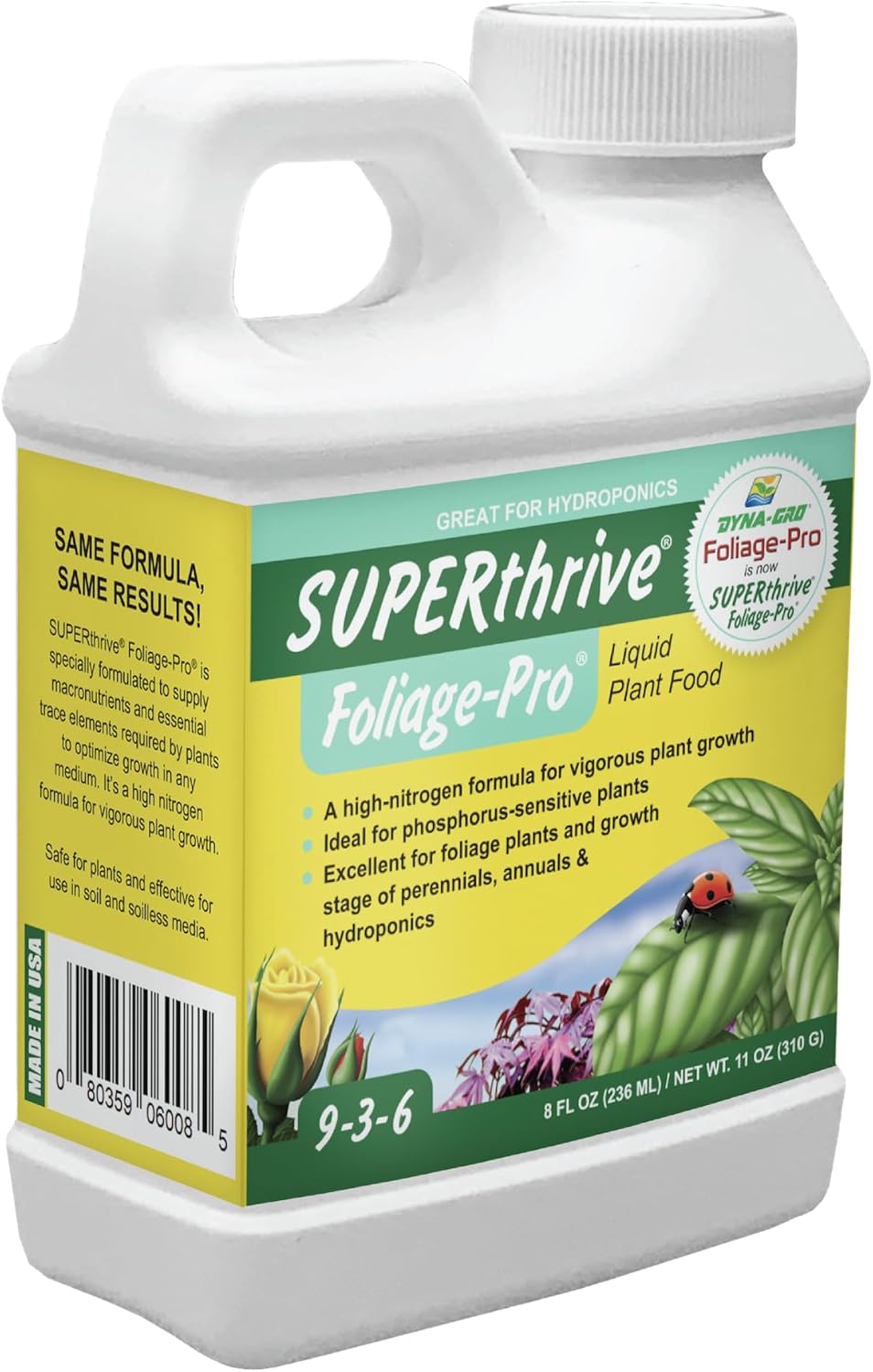
Dyna-Gro Foliage Pro
A liquid 9-3-6 feed with all sixteen plant nutrients. Useful once weeds are gone and thin patches need to fill back in, since Celsius WG removes competition but does not feed the turf.
Visit website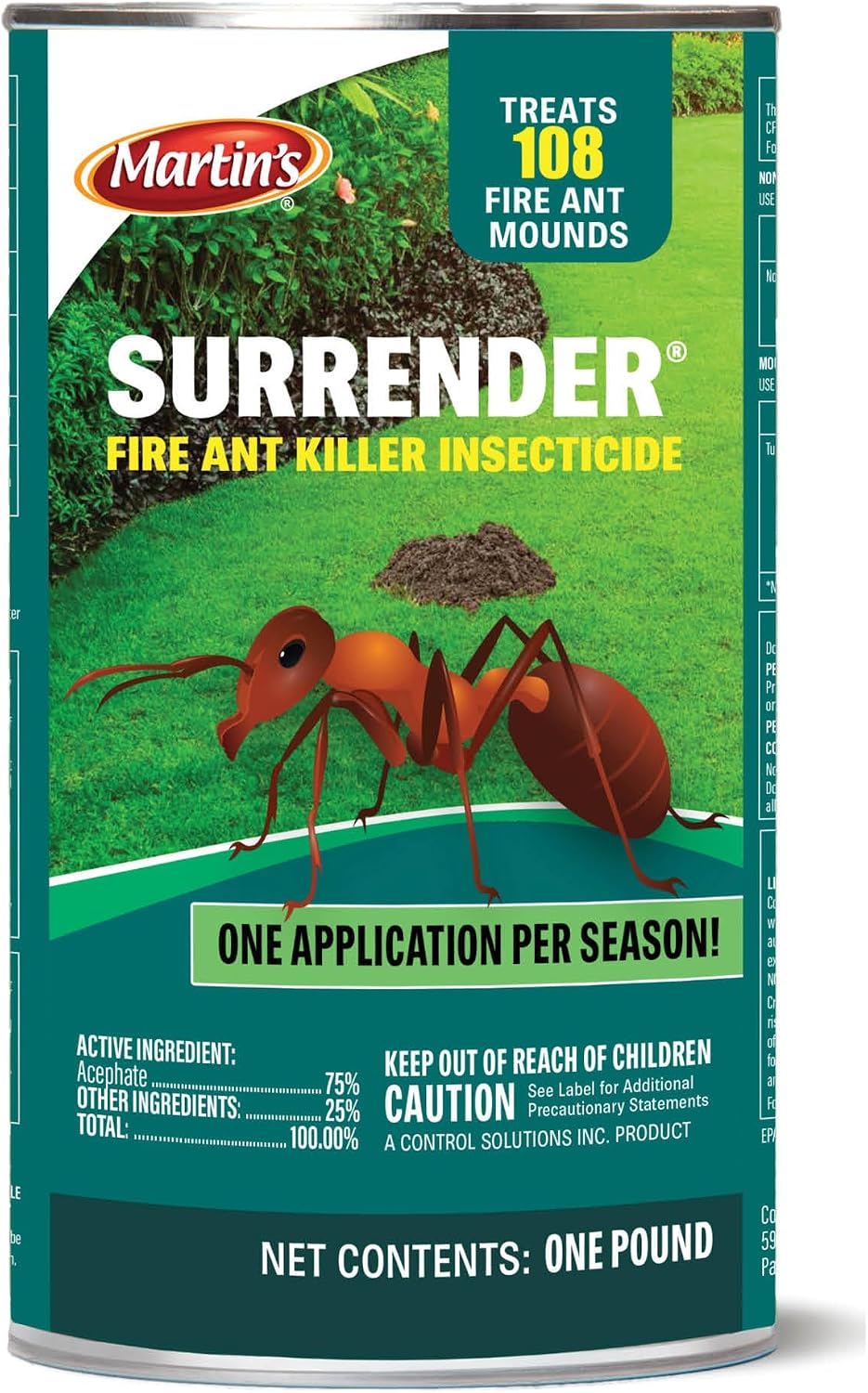
Surrender Fire Ant Killer
An acephate dust for fire ant mounds. Fire ants are the other thing that ruins a southern lawn in July, and no herbicide touches them.
Visit website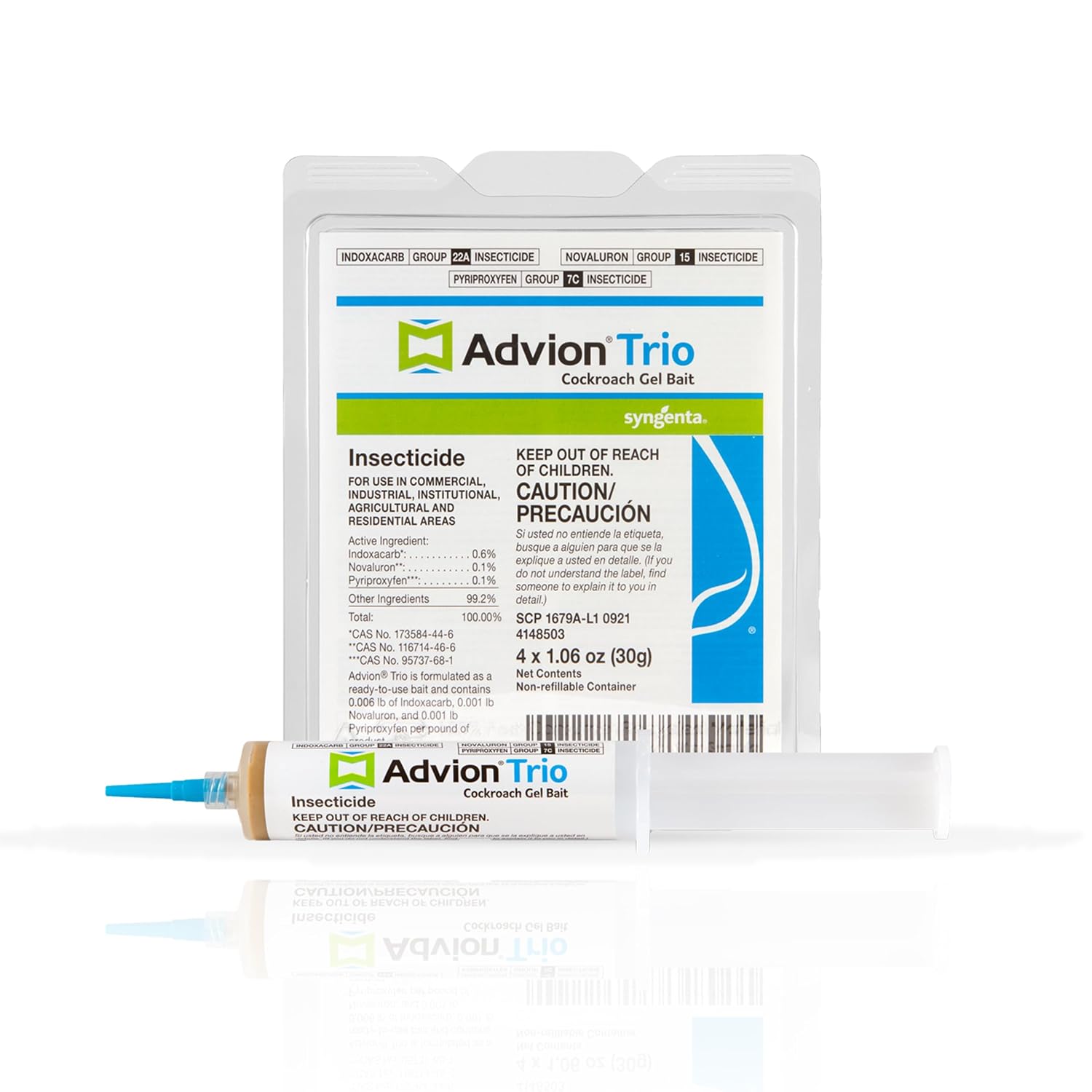
Advion Cockroach Gel Bait
An indoor indoxacarb gel bait for roaches. Different pest, different label, applied inside the house rather than on turf.
Visit websiteTreat the Weed. Protect the Turf.
Match the weed to the label, measure the rate it calls for, and spray under conditions that let the herbicide work without stressing the lawn.
Shop Celsius WG on Amazon